

If there’s one piece of running wisdom that gets repeated ad nauseam in the lead up to a big race it’s “Nothing new on race day”. While most runners know this advice, there are actually two sides to it, and many only consider the more obvious side (i.e. DON’T EXPERIMENT with new clothes, shoes, fuel, or gadgets on race day). The other–equally important but lesser touted–side of this advice is: “DO EXPERIMENT with new clothes, shoes, fuel, etc during training!” By experimenting, we may not only find something new that works better than our old ways of doing things but also turn it from being new (i.e. not to be used on race day) to known.
The new racing belt that hurt my Rotterdam race
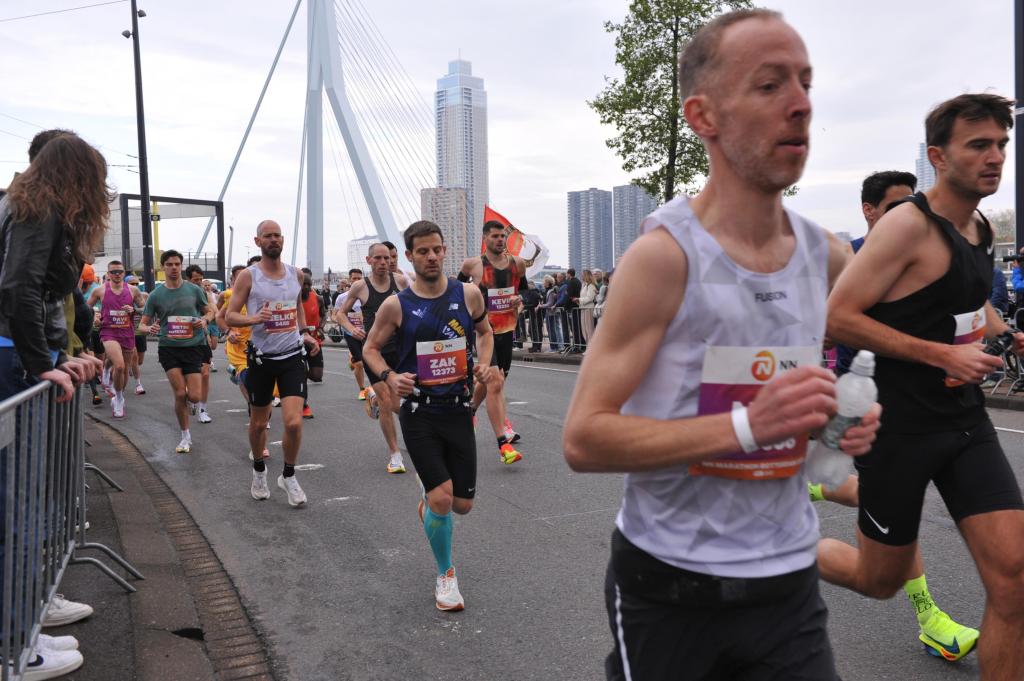
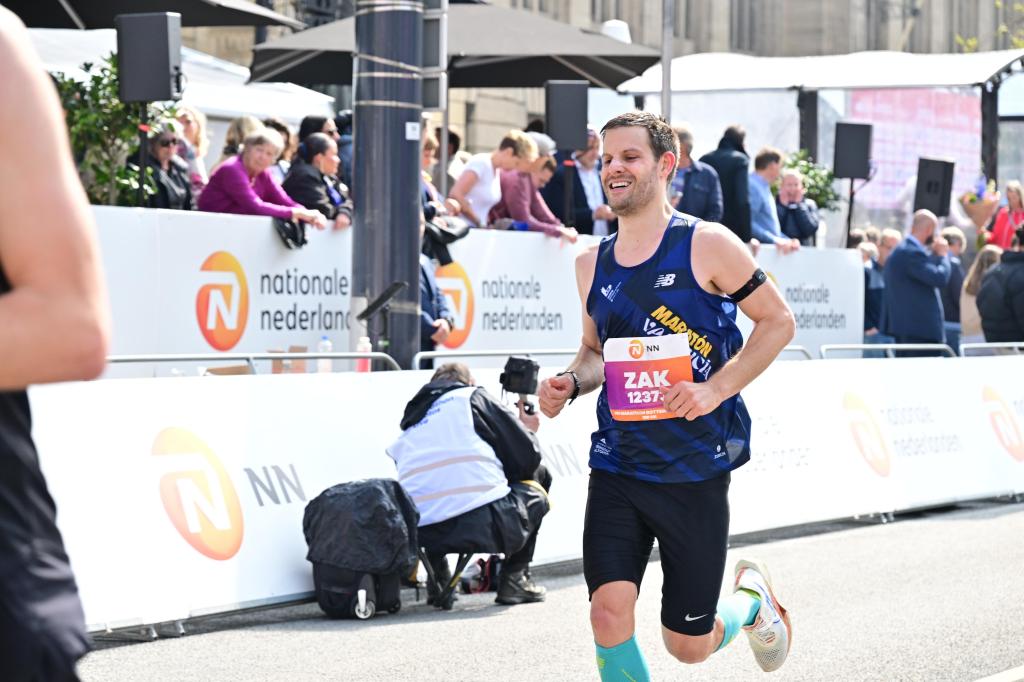
Before we get into that, I want to acknowledge from personal experience that “nothing new on race day” is sound advice – by sticking to what you know, what you’ve already tested, and what you’re used to, you reduce the risk of unexpected mishaps and the chance of getting distracted by something that is a little off. I experienced both those problems this April in Rotterdam, where I ran with a fuel belt for only the second time – the first time had been the week before with just three gels, whereas race day was with five gels in the belt plus two more in my pocket. I wound up spending a lot of extra mental energy futzing with the belt during the first 25km (it kept riding up due to the gels in my back pocket) before ditching it on the side of the road. It affected my running form, kept me from staying in a good rhythm, and generally impacted my mood and confidence. It wasn’t the sole reason that I failed to PB that day, but it certainly contributed.
What new things should you try in training?
Unfortunately, I only got the belt as a birthday gift one week before the race. If I had tried it out a month before on a 36k 5-gel long run, I’d have experienced the race-day issue and figured out a solution. This is the other side of “Nothing new on race day” – racing with a belt would have been a good call (in Rotterdam, they only gave out one Upfront gel on the course at 34k! So I needed to carry 7 gels.), but I hadn’t sufficiently tested the belt to know how it would affect my form running at marathon pace with 7 gels. Let’s look other ways runners can put experimentation into practice, using the upcoming Chicago Marathon as an example.
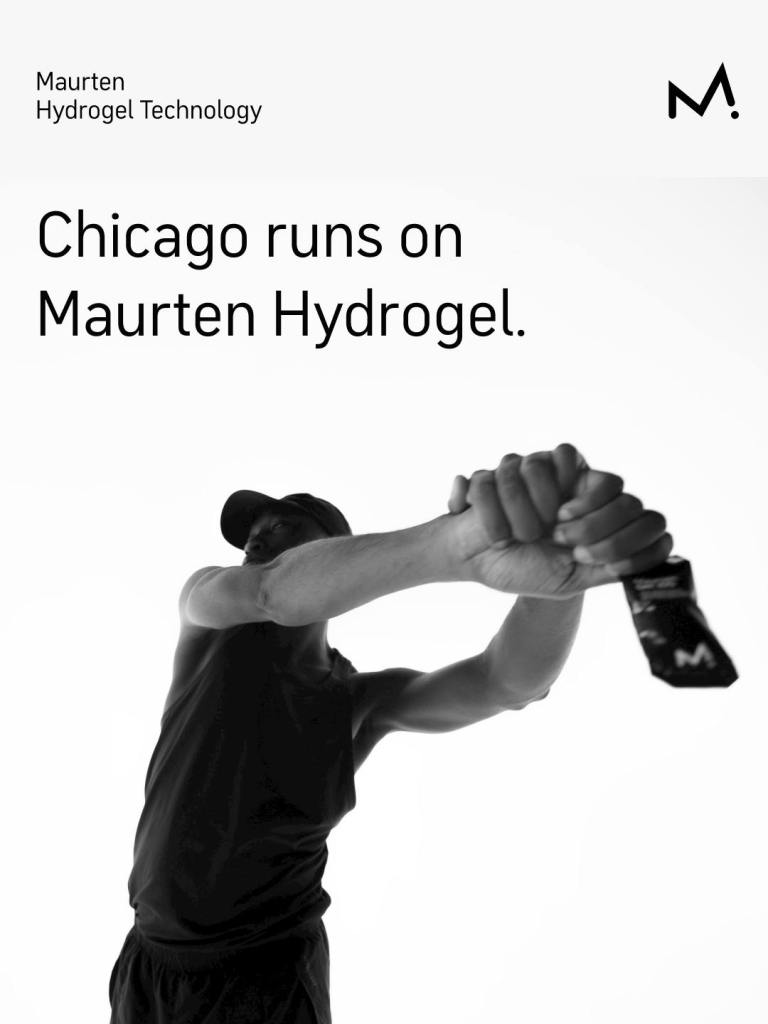
Try new fuels: When we first brought up the topic of fueling, the runners in a group I’m coaching had a wide range of perspectives – everything from (a) “I haven’t raced a marathon before, why is fuel so important?” to (b) “I can’t do gels, I need solid food” to (c) “I only like XYZ gels” to (d) “I take whatever gels I have every 30 minutes.” Most had never tried Maurten gels because they’re relatively expensive (to be fair, I hadn’t either until two or three years ago). But here’s the thing: the Chicago Marathon is sponsored by Maurten – they’re not only discounted 20% for Chicago runners but they’re giving out Maurten gels at THREE spots on the course! All Chicago runners (especially those in camps A, B, and C) would be very wise to try a Maurten gel in their training. Why? So it isn’t new on race day. If you never try Maurten during your training and religiously follow “Nothing new on race day”, then you’d naturally say ‘no thanks’ when offered free Hydrogel on the course, despite it being arguably the best mid-race fuel on the market! Moreover, that’s three fewer gels you need to carry in your pockets or belt, a huge advantage!
Try increasing fuel frequency: Research shoes that marathoners should be targeting 60-90g/hr of carbohydrates during the race, but most amateur runners are fueling at a much lower frequency / volume (<50g/hr). Going straight from a long run norm of 40-50g/hr to 75g/hr in a race is risky and could literally backfire…Training the gut takes time, so this is a classic area where runners can try increasing their fuel frequency during training, see how their gut tolerates it, and be better prepared to fuel more aggressively during the race.

Try a singlet instead of a shirt: Lots of amateur runners are used to running in athletic t-shirts as their top – short-sleeve if it’s balmy out, long sleeve if it’s brisk. More experienced marathoners, especially those chasing ambitious goals, race in singlets, even if it’s only a brisk 9-10C or 48-52F at the start of a race. Our bodies produce an absurd amount of heat during a marathon with core temperatures rising 3F on average. Singlets help not only by being lighter but also exposing more skin to help sweat evaporate. While a singlet may be a no-brainer for some runners–especially looking at the Chicago forecast, which currently looks like it may be more like 15-17C or 59-63F at the start if not warmer–the no-brainer for “Nothing new on race day” runners who never try a singlet during training is to race in a shirt. Even if you’re inclined to race in a shirt for a cooler race, all marathon runners should own a singlet and train in one when it’s hot out.
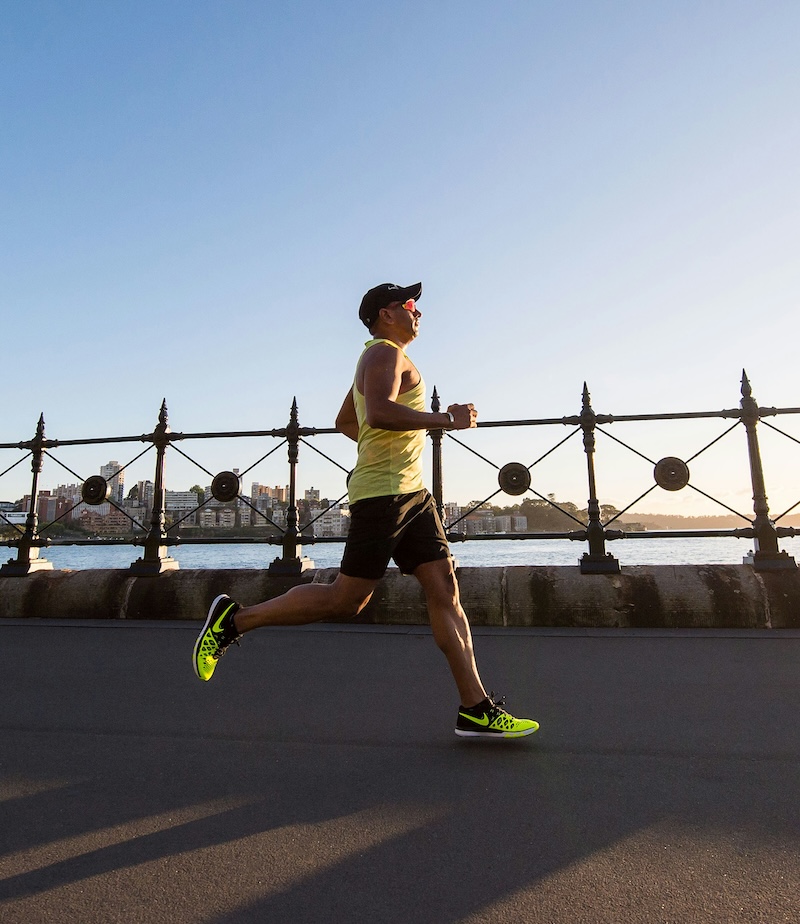
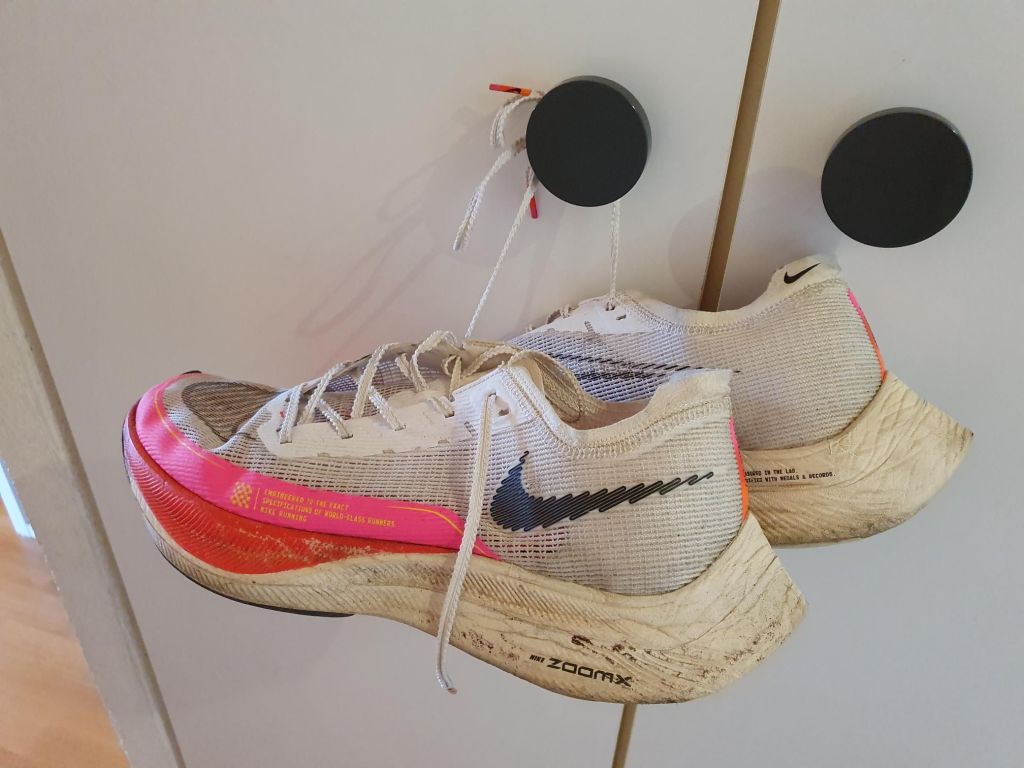
Try faster Shoes: Some runners swear by always running in the same, tried and true pair of trainers. This works ok as long as you’re not running too much and not chasing overly ambitious goals. As discussed in a past blog, rotating shoes is hugely beneficial for injury prevention and faster running. Additionally, runners who only train in one pair of daily trainers are likely leaving minutes on the table in their marathon by not investing in a second pair of shoes for races and key workouts. These don’t have to be ‘super shoes’ but both carbon-plated and non-carbon lighter weight speed shoes do have a measurable impact on performance. Should you get a new pair right before the race and try them out on race day? Of course not – nothing new on race day! But you should earlier in the season and you may find it dramatically improves your race performance and experience.
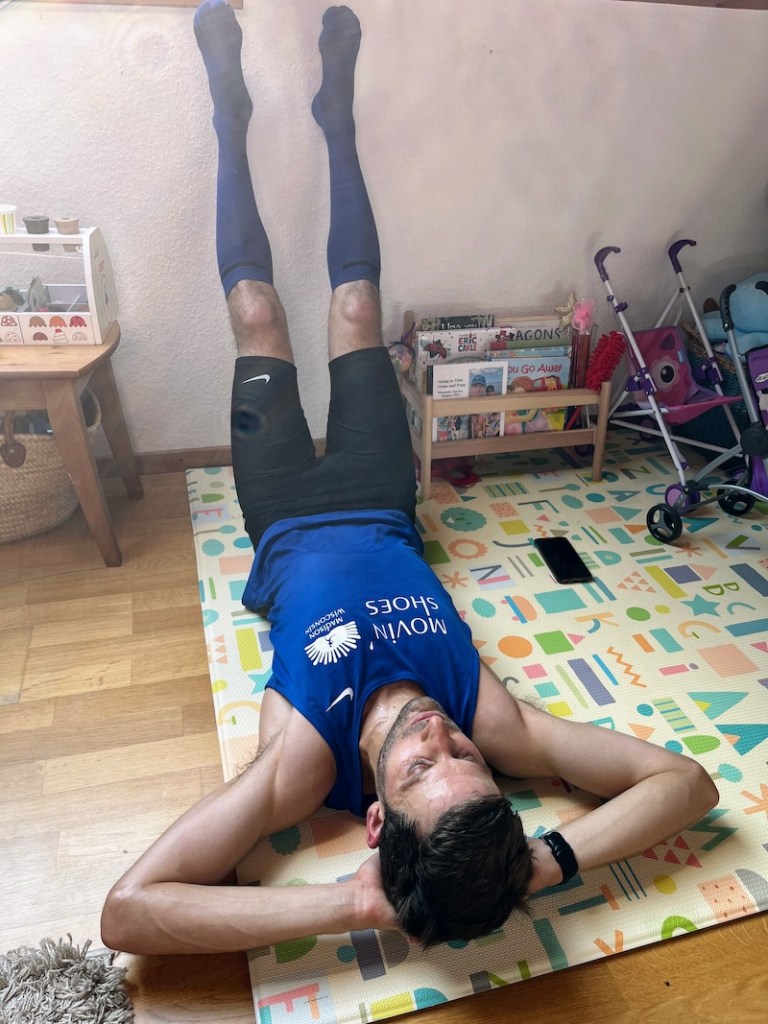
Try compression clothes and other gear: By experimenting during training, runners may also find they perform better in compression shorts vs normal running shorts, in compression socks vs normal running socks, in different types of underwear, with or without a hat, and so on. So while it’s important to ‘practice for race day’ during specific phase long runs, it’s also important throughout the season to try new things and mix it up.
Test yourself in tune-up races: One of the most important ways to reduce newness on race day is to race more often. If racing itself is new for you, then everything is kind of new on race day. Racing 5k’s, 10k’s, and half marathons not only gives us a chance to test out our marathon race-day gear and fueling, but also gives us a chance to practice pre-race nutrition and warm-up, and perhaps most importantly to practice getting into the pain cave so that isn’t a new experience on race day.
Bottom-line
Most runners know not to toe the line of a big race with new untested kit, shoes, or gels. Runners who experiment during their training gain exposure to and experience with different kit, shoes, gels, paces, and pacing strategies. You can even do this kind of experimentation in your taper if there are new things you want to try out before an upcoming race. Experimenting during training is the other side of “Nothing new on race day” – it allows us to reduce the number of things that are new and, in doing so, can open up options that may ultimately improve our performance.
 Run to Lead
Leave a comment